

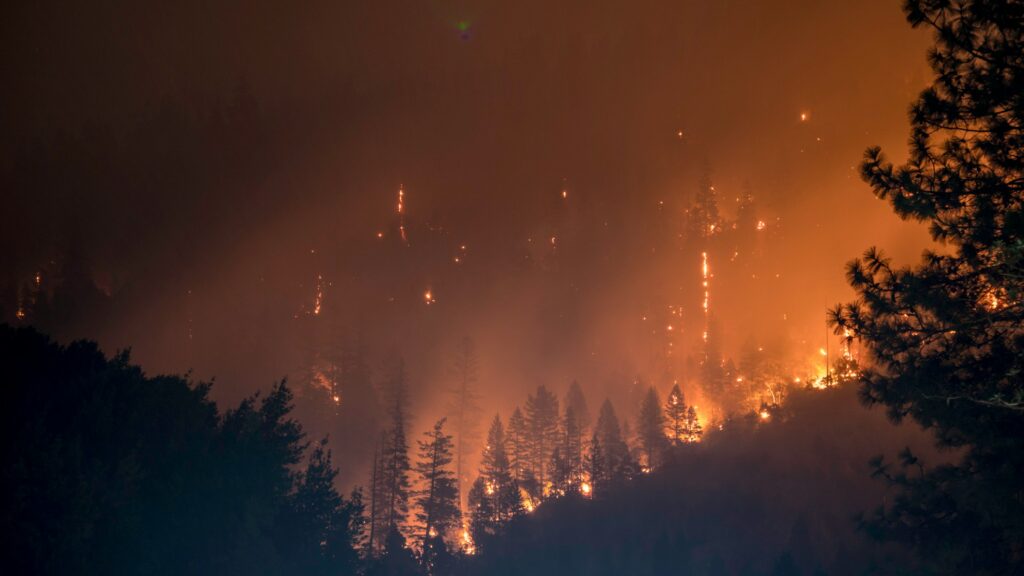
While Californians grapple with the devastation caused by the wildfires and begin to rebuild their lives, the insurance industry’s response is already becoming a focal point of media attention and public discussion.
As with winter flooding in the UK, comms teams in the sector have a vital role to play in helping consumers understand their options and persuading governments to implement policies that will enable them to provide adequate cover for future disasters.
Fires, floods and storms are becoming an increasing challenge for insurers around the world, with evidence to suggest that climate change is one of the major causes. Last week, the world’s largest reinsurance group Munich Re published a report showing that natural disasters caused $320bn in losses in 2024 – 30 per cent higher than in 2023. The insurance industry was able to cover around 40 per cent of this – to the tune of $140bn – but the group warned that a huge ‘protection gap’ still exists. In simple terms, this is the gap between what is insured or insurable, and what is not.
In the UK, Deloitte predicts that property insurance payouts will reach their highest level in since 2007 – totalling £5.5bn in claims. Of this, weather related claims from storms, floods and extreme temperatures will reach £1.2bn. Amanda Blanc, chief executive of Aviva recently told Reuters that “The biggest issue (with) insuring property, in our home business, is climate change.”
This leads to two significant communications challenges:
The first challenge is matter of pricing, in the context of climate change, high living costs and ongoing fears of inflation, but it is the second point which really matters when it comes to brand reputation. People look to their insurers as their safety net in their time of need. There is nothing so damaging to a customers’ trust in insurance as an invalid claim, and few possessions as emotive and precious to us as our homes.
Worryingly, some homes are now becoming uninsurable due to such natural disasters. One insurer last year refused to renew policies on 72,000 homes in California, including many in the upmarket Pacific Palisades region which has been one of those worst affected by fires this month. Residents with properties prone to flooding in the UK are finding it increasingly hard to find insurance cover following winter storms Babet, Ciaran and Henk in 2023. In many cases, it is the government-backed specialist reinsurer Flood Re which steps in to give insurers the confidence to provide policies at premiums people can afford, but Flood Re doesn’t cover properties built after 2009.
So, what can insurers and their comms teams do to help?
Being empathetic in any communications in the wake of any disaster is a given, but being seen to collaborate with communities and governments to help solve these challenges will be essential to long-term brand building and consumer trust in the sector.