

What makes people change their behaviour?
In health communications, awareness alone is rarely enough. People might understand what they should be doing, but unless the action feels simple, accessible and easy to build into everyday life, lasting behaviour change is difficult to achieve.
The most effective health campaigns don’t just educate: they reframe behaviours in a way that feels achievable, relatable and meaningful.
For oral health brand TePe, this principle sat at the heart of its communications strategy – combining creative behaviour-change messaging with meaningful community impact to encourage healthier habits nationwide.
Oral health advice has long centred around the familiar message of brushing twice a day for two minutes. But in 2025, we identified an opportunity to evolve the conversation and inserting interdental cleaning into the daily routine in an easy to understand and adopt educational message.
The ‘Three-Minute Rule’ encouraged people to add just one extra minute of interdental cleaning each evening using a TePe Interdental Brush or floss.
The strength of the campaign came from its simplicity. Rather than overwhelming audiences with dramatic lifestyle changes, the messaging focused on a small, manageable habit capable of delivering long-term benefits. And importantly, it connected oral health to wider wellbeing.
Interdental cleaning helps reduce plaque build-up which, if left untreated, can contribute to gum disease, tooth pain and broader health concerns including heart disease and dementia. By reframing interdental cleaning as part of a bigger health picture, TePe made the behaviour feel more relevant and urgent. The campaign demonstrated an important lesson for health communications: behaviour change is far more effective when audiences feel the action is realistic, accessible and easy to adopt.
This year, we wanted to build on the momentum of the Three-Minute Rule with Habitual Rituals — an integrated PR, digital and social campaign designed to help people embed interdental cleaning into their existing routines.
The strategy focused on showing, rather than simply telling. Influencers demonstrated how interdental cleaning could slot naturally into everyday habits, helping TePe reach new audiences in a relatable way. Educational content was also developed alongside TePe’s in-house experts to support dental professionals in discussing the Three-Minute Rule with patients.
To further drive the conversation, we commissioned research exploring how the nation approaches self-care and wellbeing. The findings revealed that age 47 is when Britons feel happiest and healthiest, largely because they place greater focus on ‘invisible health’ — the everyday habits supporting long-term wellbeing behind the scenes.
This insight gave the campaign a broader cultural narrative. Interdental cleaning became part of a wider conversation around preventative health, rather than simply another oral care message.
The result was widespread national, regional, consumer and trade coverage, delivering a reach of over 60 million, and being cited on LLMs such as ChatGPT and Google AI – helping contribute to the cultural conversation and ensuring the campaign reached wide audiences.
But effective health communications cannot stop at awareness alone. For brands operating in the healthcare space, credibility increasingly comes from demonstrating meaningful action — not simply delivering marketing messages.
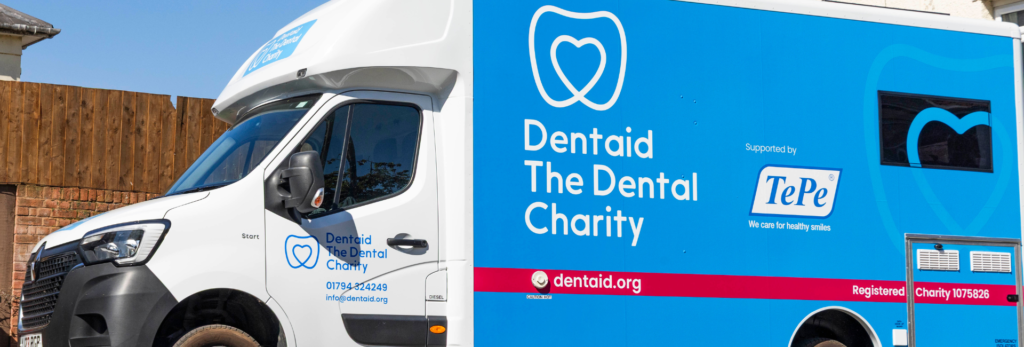
That’s why TePe’s partnership with Dentaid became such an important extension of the brand’s work. Recognising the barriers many vulnerable people face when trying to access dental care, TePe partnered with the charity to launch Freyja — a mobile dental unit travelling across the UK to provide treatment and support to underserved communities, including people experiencing homelessness.
Speed joined TePe and Dentaid at Freyja’s launch in Taunton, overseeing media interviews with the BBC and Greatest Hits Radio to help shine a spotlight on the initiative and the wider issue of accessibility in dental care.
Importantly, the partnership reinforced that TePe’s commitment to oral health extends beyond consumer campaigns. It demonstrated the role brands can play in helping remove barriers to care and supporting people who are often overlooked by traditional healthcare systems.
In today’s landscape, audiences increasingly expect health brands to do more than market products. They expect them to contribute meaningfully to the communities they serve.
People are far more likely to adopt habits that feel simple and realistic. The most effective campaigns focus on small, actionable changes rather than overwhelming lifestyle shifts.
Health communications become more powerful when they tap into broader cultural conversations and emotional truths. Positioning oral health within the context of holistic wellbeing helped TePe make the message more relevant to audiences.
Purpose-led storytelling only works when it is supported by genuine initiatives. Partnerships like TePe’s work with Dentaid help demonstrate authentic commitment and build long-term trust.
Interested in creating campaigns that educate, engage and drive meaningful action? Speak to the team at Speed.