

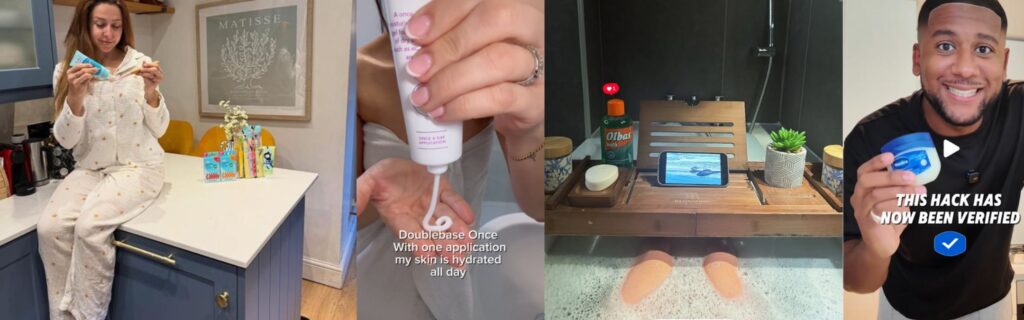
Health and wellness brands are leaning into influencer partnerships more than ever, and it’s easy to see why. With many traditional health experts struggling to cut through on social, creators are stepping in to fill the gap, especially as younger audiences increasingly turn to social platforms for health advice, only to find a confusing (and often conflicting) stream of information.
In fact, 61% of consumers trust recommendations from creators in the pharma and health space*. Meaning influencer marketing can be powerful, but only when it’s done carefully, with the right creators and robust checks. Vaseline’s ‘Verified by Vaseline’ where the brand transformed user-generated hacks into scientifically proven truths, and awarded creators with a seal of approval, is a great example of putting proof behind the platform.
Trust isn’t built through polished #spon #ads anymore, it’s built through daily wellness routines, honest conversations and content that feels real. From “get ready with me” skincare rituals to late-night wellbeing check-ins, creators are using social storytelling to spark genuine engagement. It’s raw, it’s emotive, and it’s important.
For brands, tapping into these moments isn’t just following a trend, it’s one of the most effective ways to connect with consumers in an increasingly crowded landscape.
That said, health and wellness is a sensitive category, and with opportunity comes responsibility. Success depends on careful planning, clear guidelines, and a considered approach to creator partnerships.
1. Naked Honesty
What truly sets wellness influencers apart is how personal their content is. Creators often take their audiences on deeply personal journeys, whether that’s managing a chronic condition, like IBS, improving wellbeing, or navigating everyday health challenges such as eczema.
We’re seeing influencers openly share everything from gut health struggles to acne flare-ups and awkward dry skin patches. Nothing is off limits, and that level of honesty resonates with their niche audience, and beyond. These raw, unfiltered stories drive strong engagement, because of their honesty.
We’ve seen this first-hand through the activation of our Doublebase Once campaign. Problem-skin influencers helped drive awareness of the newly over-the-counter product designed to keep eczema and psoriasis at bay with daily use. By collaborating with a mix of skin-focused, health and wellbeing, and family creators, we created emotive storytelling moments that spoke directly to niche audiences, while still delivering an impressive 400k organic views.
While vulnerability creates emotional connection, brands must remain mindful of how personal stories are interpreted. A recommendation can quickly be perceived as guidance, particularly in health contexts. The role of the brand and agency is to ensure storytelling remains authentic, while clearly defining what is experience-led versus advice-led.
2. The Non-Expert, Expert
Most health and wellbeing influencers aren’t doctors, dietitians or dermatologists, but they are trusted voices. Their credibility comes from lived experience, consistency and community trust, and audiences often place significant weight on their opinions, whether they’re sharing personal routines, favourite products or paid partnerships.
That trust is exactly why brands need to be clear on roles. Influencers should share personal journeys, not give, or at least be perceived to give, health advice. The safest, strongest approach is to pair creator storytelling with HCP guidance and expert voices, so information is accurate, and responsible.
Pair influencers and their personal journeys with HCP guidance
Just as importantly, brands and agencies should be on hand to answer questions and guide creators throughout the process. When influencers feel informed and supported, content is far less likely to stray into misleading territory or unintended advice.
3. Tight-knit Niche Audience
Health and wellbeing influencers thrive in highly engaged, niche communities, from people managing a chronic condition to those living with problem skin. These audiences actively seek content that feels relevant, empathetic and genuinely understanding of their experiences.
By collaborating with nano- and micro-influencers, brands can unlock meaningful engagement through targeted storytelling. While hero creators may deliver reach, smaller influencers often deliver trust, conversation and credibility, making them a powerful part of a well-balanced influencer strategy.
That said, health and wellbeing influencers often form a niche community of their own. They comment on each other’s content, reshare posts and openly support one another. While this can amplify messages quickly, it can also increase the risk of misinformation spreading within close-knit circles, or even erode trust if content feels overly cliquey or repetitive.
This is where brands can play a valuable role, bringing a balanced voice to the conversation: debunking myths, sharing evidence-based information, and signposting credible expert advice.
4. Regulatory Rules
As influencer content becomes faster, trend-led and more reactive, regulatory processes can struggle to keep pace. The strongest solution to managing this is collaborating with a specialist agency partner that’s trained in regulations and understands the end-to-end approval process.
Briefs should be clear and robust from the outset, with influencers fully aware of approval timelines and expectations, including compliance and regulation requirements.
At the same time, regulatory teams can have visibility into the time-sensitive nature of social content, allowing for smarter prioritisation. When everyone is aligned, and working proactively together, brands can move at speed without compromising on compliance.
Health and wellness influencers aren’t experts, professionals, or HCPs, but what they can offer is something just as powerful – an authentic lived experience.
Influencers give brands the chance to connect through real stories and trusted voices in ways traditional advertising simply can’t. With the right frameworks in place to manage risk, compliance and creator education, these partnerships can build trust, drive engagement and genuinely influence behaviour, all while keeping audiences informed, supported and safe.
* https://wedosocial.co.uk/influencers/