If your organisation needs support with corporate reputation, get in touch.


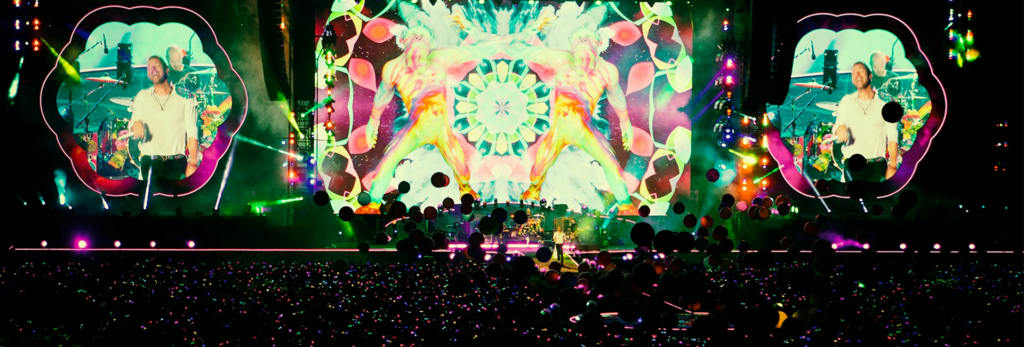
It’s rare that a corporate comms crisis includes Coldplay, Gwyneth Paltrow, and an obscure Swedish start-up – yet here we are. While the so-called ‘Coldplay concert scandal’ may sound like a rejected Black Mirror episode, it has sparked a wave of online attention, armchair outrage, and, for those in PR, serious questions about misinformation and crisis preparedness.
For anyone who missed it: Astronomer, a once-unknown data technology company, was thrown into the headlines when its CEO was displayed on a jumbotron embracing the company’s chief people officer at a Coldplay concert. In the wake of the scandal, the company hired Gwyneth Paltrow to star in a promotional video, produced by Ryan Reynolds’ Maximum Effort agency. All in all, the stakes felt low, the spectacle high.
But behind the memes and mockery lies a growing issue that crisis communicators can’t afford to ignore: the speed and scale at which false information spreads online. As Pilita Clark aptly highlighted in her Financial Times column, the most concerning aspect of this saga wasn’t the original lie – it was the wildfire of unverified claims that followed once the video went viral.
In this case, the fallout may have seemed like light entertainment. But the underlying trend has much broader implications for brands. When reputations are being shaped – or shattered – within hours by TikTok users, anonymous commentators, and AI-generated ‘statements’, the traditional crisis comms playbook no longer applies. Waiting 24 hours to issue a carefully crafted holding statement is no longer good enough.
So, what do we do?
Firstly, brands need to treat misinformation as a reputational risk in its own right – not just a footnote in a larger crisis. Crisis plans must now include specific strategies for identifying, tracking and addressing false narratives in real time.
Secondly, speed matters. A rapid response capability is no longer a luxury, it’s essential. That means tighter social listening loops, pre-approved rebuttal templates, and confident spokespersons ready to act when nuance won’t cut through the noise.
Lastly, it’s time we stop treating ‘unserious’ stories as throwaways. Today’s farce is tomorrow’s fallout. The Astronomer episode is a reminder that even seemingly trivial events can spotlight critical vulnerabilities in how we manage truth, trust, and timing in the digital age. And for crisis comms professionals, this matters. With audiences struggling (or at least unwilling) to critically discern between fact and fiction, businesses and brands are facing new levels of reputational risk.
The joke might be funny. But the consequences? They could be very real.

If your organisation needs support with corporate reputation, get in touch.